






Knowledge Hub
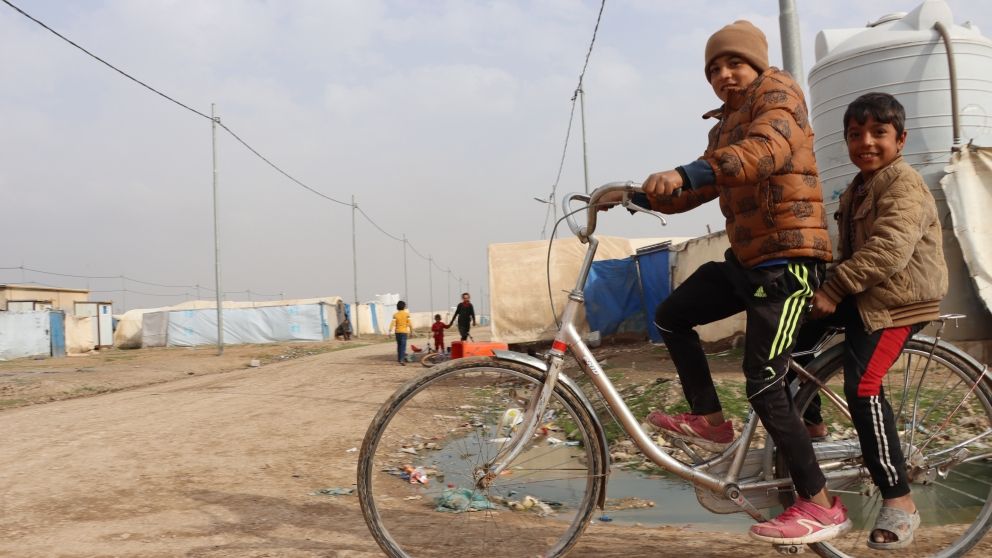
Why are we in Iraq? Years of conflict in Iraq have uprooted millions of people, eroded social cohesion, disrupted access to basic services, destroyed livelihoods, and led to increased protection risks. The country’s northern region, where Concern works, has also hosted large numbers of displaced people due to conflict and instability.
Nearly 1 million Iraqis remain displaced
The UN reports that almost 5 million Iraqis have been able to return to their homes amid an improving security situation and economic recovery. However, progress is still in a fragile state as the country navigates recovery amid regional conflict and instability.
Nearly 1 million people remain internally displaced in the country, over 109,000 of whom are in camps in the northern Kurdistan region of Iraq. The country also hosts over 300,000 refugees and asylum seekers, 90% of whom are Syrians trying to navigate their own uncertain futures. Communities living in displacement continue to face barriers to essential protection services, public services, and livelihood opportunities.
Concern works with local partner VOP-Fam (Voice of Older People and Family) to provide case-management services for displaced children in Iraq, as part of VOP-Fam’s larger work to provide mental health and psychosocial support services and facilitate awareness-raising activities on child protection issues.
Latest achievements

Programme impact
In 2025, Concern reached nearly 40,000 people (both directly and indirectly) in Iraq via our partnership with VOP-Fam.

Protection

Localisation


How we're helping Iraq
We are working hard to combat suffering and to build resilience in Iraq. We are doing this by establishing programmes which will offer protection services for children and tackle gender inequality.



Other ways to help

Donate now
Give a one-off, or a monthly, donation today.

Join an event
From mountain trekking to marathon running, join us for one of our many exciting outdoor events!

Buy a gift
With an extensive range of alternative gifts, we have something to suit everybody.

Leave a gift in your will
Leave the world a better place with a life-changing legacy.

Become a corporate supporter
We partner with a range of organisations that share our passion and the results have been fantastic.
Create your own fundraising event
Raise money for Concern by organising your own charity fundraising event.